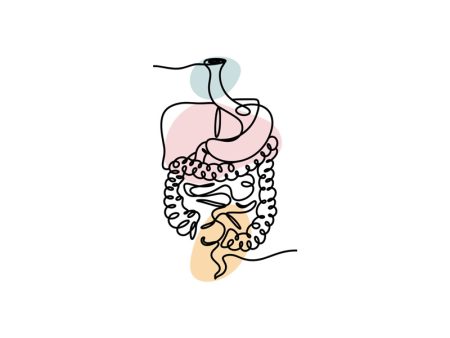
- Menopause-related digestive and bowel changes are linked to declining estrogen, affecting gastrointestinal motility and mucosal health.
- Symptoms include constipation, diarrhea, bloating, abdominal pain, gas, indigestion, and an increased risk of gastrointestinal issues.
- A diagnosis involves a medical history review, a physical examination, possible tests like endoscopy or colonoscopy, or specialist referrals for further evaluation.
- Treatment options include medications like antacids and laxatives, surgical procedures, natural therapies, and dietary supplements like peppermint, magnesium, and probiotics.
- Management options include stress management techniques, behavioral changes like eating slowly and mindfully, dietary changes, exercise, and avoiding irritants such as smoking.
What is it?
Menopause-related digestive and bowel changes encompass a range of gastrointestinal (GI) symptoms and alterations in bowel function closely linked to the decline in estrogen. This decline can lead to noticeable changes in digestive health and bowel function, as estrogen influences gastrointestinal motility, mucosal health in the GI tract, the strength of the lower esophageal sphincter (LES), the composition and function of the gut microbiome, pain perception, water retention, and gas in the GI tract.
These changes can manifest in various forms, including changed bowel habits such as constipation or diarrhea, increased incidence of gastrointestinal reflux disease (GERD), bloating, gas, and indigestion.
These symptoms vary in intensity and duration. Symptoms can indicate more serious conditions, including irritable bowel syndrome (IBS) or gastrointestinal issues. Early recognition and management of these symptoms are important to reducing the impact on daily life, including discomfort and inconvenience.
What causes it?
The decline in estrogen is a key factor causing digestive and bowel changes. Estrogen significantly influences GI motility, and its reduced levels can lead to changed bowel movements, manifesting as constipation or diarrhea. Estrogen maintains the mucosal lining of the GI tract, which is essential for effective digestion and nutrient absorption. As estrogen goes down, the mucosal lining becomes less strong, potentially leading to increased food sensitivity, reduced nutrient uptake, and a higher risk of inflammation.
Estrogen helps regulate the lower esophageal sphincter’s strength, and its decline can increase the risk of GERD. Estrogen also plays a role in modulating the gut microbiome, which is important for digestive health. Reduced estrogen levels can influence the body’s metabolism and gut motility, leading to issues such as bloating, indigestion, and constipation.
Estrogen can change gallbladder function, which stores bile produced by the liver. Bile can become more concentrated, slowing the emptying of the gallbladder, leading to gallstones and decreased bile production, which is important for digestion. Less estrogen can slow down the process of food moving through the GI tract. When digestion takes longer, more water is reabsorbed into the bloodstream, leading to constipation, increased gas, and bloating.
Last, other factors like age, level of physical activity, diet, stress, and certain medications can exacerbate these changes.
What are the symptoms?

Menopause-related digestive and bowel changes encompass a range of symptoms affecting gastrointestinal health and bowel function. These changes are primarily driven by the decline in estrogen levels during menopause, affecting the digestive system’s functionality. Symptoms can include changed bowel habits, such as constipation or diarrhea, bloating, indigestion, and an increased risk of gastrointestinal issues.
Many women experience symptoms like bloating, abdominal pain, and changes in bowel habits before and during menstruation and during perimenopause and menopause. These symptoms can significantly affect a woman’s quality of life, influencing her dietary choices, daily comfort, and overall well-being during the menopausal transition.
Bowel Dysfunction
Bowel dysfunction during menopause can manifest in various forms, primarily as constipation or diarrhea. Women may experience irregular bowel movements, difficulty in stool passage, or a frequent urge to defecate without success.
Constipation is characterized by hard, dry stools that are difficult to pass, leading to abdominal discomfort and bloating. Diarrhea involves loose, watery stools that occur more often than usual, potentially leading to dehydration and nutrient loss.
Increased urgency may go along with these symptoms, along with abdominal pain or discomfort, bloating, wind, trapped wind with stomach noises, and mucus in your stool. Symptoms can come and go and last for days, weeks, or months. Many symptoms are like irritable bowel syndrome (IBS). If you already have IBS, symptoms can be exacerbated. In a menopause context, fecal incontinence is rare. Changes in bowel habits can cause distress and may significantly affect daily activities and life quality.
Digestive Issues
Digestive issues in menopause can range from mild indigestion to severe gastrointestinal discomfort. Common symptoms include bloating, gas, heartburn, and acid reflux. Women may also experience nausea and a sense of fullness in the upper abdomen, often exacerbated after meals. Indigestion, characterized by a burning sensation or discomfort in the stomach, can lead to reduced appetite and weight changes.
The fluctuating hormone levels during menopause can disrupt the normal functioning of the digestive system, affecting gastrointestinal motility and the production of digestive enzymes. Motility is the movement of food through your GI tract. Problems with peristalsis, automatic wavelike movement of the muscles that line the GI tract moving food through the digestive system, are also called motility disorders and can cause increased or decreased motility. Increased peristalsis (hypermotility or hyperperistalsis) can lead to diarrhea and other symptoms, as the GI tract cannot break food down properly and absorb nutrients adequately. Decreased peristalsis (hypomotility or hyperperistalsis) can lead to bloating, constipation, and bacterial overgrowth (small intestinal bacterial overgrowth (SIBO)) as the GI tract cannot clear out accumulated waste and bacteria regularly.
Loss of appetite, unintended weight loss, persistent vomiting, bloody stools, or rectal bleeding are symptoms that justify medical attention.
Gastrointestinal Issues
Women may experience menopause-related gastrointestinal issues and an increased susceptibility to gastrointestinal diseases. These diseases include GERD, characterized by persistent acid reflux, leading to heartburn, discomfort, and potential damage to the esophageal lining. Other diseases include hemorrhoids, ulcers, and diverticulitis. Changes in gallbladder function can cause gallstones, causing abdominal pain, nausea, vomiting, and digestive disturbances. IBS presents with symptoms such as abdominal pain, bloating, constipation, and diarrhea, often linked to stress and diet.
Gastrointestinal issues can occur in the upper GI tract (the mouth, esophagus, stomach, and first part of the small intestine) and the lower GI tract (from the small intestine to the large intestine to the anus). Other symptoms may include loss of appetite, unintended weight loss, or a feeling of fullness in the abdomen. Anxiety and stress can also exacerbate symptoms.
For women with gastrointestinal diseases before menopause, they may become more pronounced. For women without gastrointestinal diseases, symptoms may stabilize or improve once they reach post-menopause. Many symptoms are like precancerous or cancerous growths called polyps and colon cancer, so it is essential to see a healthcare professional to rule out any other conditions. As is, noticing any symptoms like rectal bleeding, extreme bloating, or pain with bowel movements.
How is it diagnosed?

In diagnosing menopause-related digestive and bowel changes, healthcare professionals typically undertake a comprehensive evaluation that may include a physical examination, medical history review, and possibly additional diagnostic tests, such as endoscopy or colonoscopy.
The physical examination usually focuses on the abdomen, and the medical history review is used to identify any pre-existing conditions, family history, or risk factors. Blood tests may be conducted to rule out other conditions, such as celiac disease.
Depending on your symptoms, a healthcare professional may refer you to a specialist, like a gastroenterologist, a digestive disorder specialist, for further evaluation and tests like an endoscopy or colonoscopy. An endoscopy directly views the digestive tract to identify abnormalities. A colonoscopy is used to examine the colon and can detect inflammation, polyps, or cancer.
Some women find sharing their symptoms with healthcare professionals embarrassing and intimidating, so taking your partner, trusted friend, or family member can offer moral support and help with information retention.
How is it treated?

Treatment for menopause-related digestive and bowel changes involves a combination of medications, therapies, and dietary supplements.
Hormone Replacement Therapy (HRT), typically containing the hormones estrogen and either progesterone or progestin, may be suitable for some women to help balance hormone levels and mitigate digestive and bowel-related symptoms. Various medications can relieve symptoms, including antacids and proton-pump inhibitors for acid reflux and heartburn, antispasmodics for abdominal pain and cramping, laxatives for constipation, and anti-diarrheal medications for diarrhea.
In severe cases, surgical procedures may be necessary to repair damage to muscles or nerves, as well as related conditions and complications, such as hemorrhoids, anal fissures, perianal abscesses, anal fistula, diverticulosis, and others.
Talking therapies, like cognitive-behavioral therapy (CBT), can help understand how your body works, triggers, and warning signs, and how your thoughts and behaviors impact your symptoms, particularly given the close connection brain-gut connection. Natural therapies, such as biofeedback and electrical stimulation, can help improve muscle control.
Dietary supplements, including peppermint (Mentha piperita), have antispasmodic properties, helping to relax the smooth muscles in the digestive tract and help prevent spasms. Magnesium can help with bowel movements by increasing the amount of water in the intestines. Ginger extract (Zingiber officinale) can encourage stomach emptying to relive symptoms like bloating and gas. Probiotics, especially lactobacillus and bifidobacterium strains, help support the immune and digestive systems by balancing unfriendly gut bacteria, helping reduce abdominal pain, decreasing bloating and gas, and normalizing the frequency of bowel movements. Phytoestrogens, plant-based compounds that mimic estrogen in the body, can be an alternative to HRT.
The effectiveness of these treatments varies among individuals and should be discussed with a healthcare professional.
How is it managed?

Menopause-related digestive and bowel changes can be managed through lifestyle modifications, and focused attention on understanding and managing triggers and intolerances.
Mind-body exercises like yoga and Tai Chi and mindfulness practices like meditation and deep breathing can help manage the stress, anxiety, and discomfort associated with digestive and bowel changes. Behavioral changes like eating slowly, mindfully, and away from distractions can help reduce the amount of air ingested. This strategy helps to break down food, aid digestion, and reduce gas and discomfort, as can limiting fluids when eating. Moving your bowels when you have the urge can help avoid constipation.
A nourishing diet containing magnesium and foods and beverages containing probiotics and prebiotics can support digestive and bowel health. Limiting trigger foods, food intolerances, and foods that are hard to digest, like carbohydrates, can be beneficial, particularly when feeling stressed. Some women find a low fermentable oligosaccharides, disaccharides, monosaccharides, and polyols (FODMAP) diet works well for their symptoms, and others find intermittent fasting effective in giving their bodies and gut-microbiome a break from the digestion process. Staying hydrated with purified water can help soften stools, making its passage easier. Choosing non-caffeinated beverages like peppermint tea over caffeinated beverages like coffee can help reduce gas, bloating, stomach cramps, and constipation, as can alcohol and carbonated beverages.
Regular, intense physical exercise and activity can help stimulate intestinal movements, reducing irregularities. Exercise can also help manage weight, which can help reduce pressure on the abdomen, reducing digestive discomfort. Exercise can help improve sleep quality, aiding digestion and reducing heartburn and reflux, particularly sleeping on your back or side.
Sexual activity releases endorphins and oxytocin, which promotes feelings of well-being. Digestive and bowel symptoms like indigestion, bloating, and gas can hinder the sexual experience. Strategies to enhance the sexual experience include not eating before to reduce any heaviness or related symptoms, completing mindfulness practices like meditation and deep breathing beforehand to reduce anxiety and stress, and prevent or treat any urinary tract infections (UTIs) to avoid feeling pressure and discomfort during sexual activity. Smoking can act as an irritant, increasing digestive and bowel symptoms, so reducing use is recommended.
Navigating the landscape of digestive and bowel changes during menopause requires a multifaceted approach. The decline in estrogen significantly disrupts normal gastrointestinal functions, leading to a range of symptoms like constipation, diarrhea, and GERD. These symptoms can mirror more serious conditions, necessitating careful diagnosis. Treatment options are diverse, ranging from hormone replacement therapy to manage hormonal imbalances to specific medications targeting symptoms, and in some scenarios, surgical procedures. However, the cornerstone of managing these changes lies in lifestyle modifications, including stress reduction techniques, dietary changes, regular physical activity, and avoiding triggers like smoking. With these strategies, women can effectively manage their digestive and bowel health during menopause, leading to an improved quality of life.